HOA pet-waste management is one of the most common complaints property managers field, and left unchecked it drives down curb appeal and resident satisfaction fast. A clear policy, well-placed waste stations, and the right cleanup tools solve the problem before it becomes a board meeting headache.
Shared lawns, walking paths, and common greens collect waste from dozens of dogs. This guide shows HOA boards and community managers how to build a system that keeps grounds clean, keeps residents happy, and protects the neighborhood budget.
Why Pet Waste Is an HOA Problem, Not Just a Resident One
When one owner skips cleanup, the whole community pays. Waste on shared turf spreads bacteria, kills grass, and signals neglect to prospective buyers touring the neighborhood.
Property values are tied to first impressions. A single soiled entry lawn undercuts the landscaping investment your association already made, so waste management is really property protection.
The Real Cost of Ignoring It
Uncollected waste is a documented environmental hazard. The Centers for Disease Control and Prevention notes that dog feces can transmit parasites and bacteria to people and other animals, which is a liability concern for any shared community space.
- Dead grass patches that require costly reseeding.
- Odor complaints that escalate to formal grievances.
- Health risks to children and leashed pets on common paths.
- Reduced curb appeal that slows unit sales.
Building a Community Waste Station Network
Waste stations are the backbone of any successful HOA program. Place them where dogs actually go, not just where they look tidy on a map.
- Map high-traffic routes. Entrances, mailbox clusters, and park edges see the most activity.
- Install stations every 200 to 300 feet along walking paths.
- Stock bags consistently. An empty dispenser trains residents to give up.
- Assign restocking to a single point of contact so nothing slips through the cracks.
What Goes Into a Good Station Kit
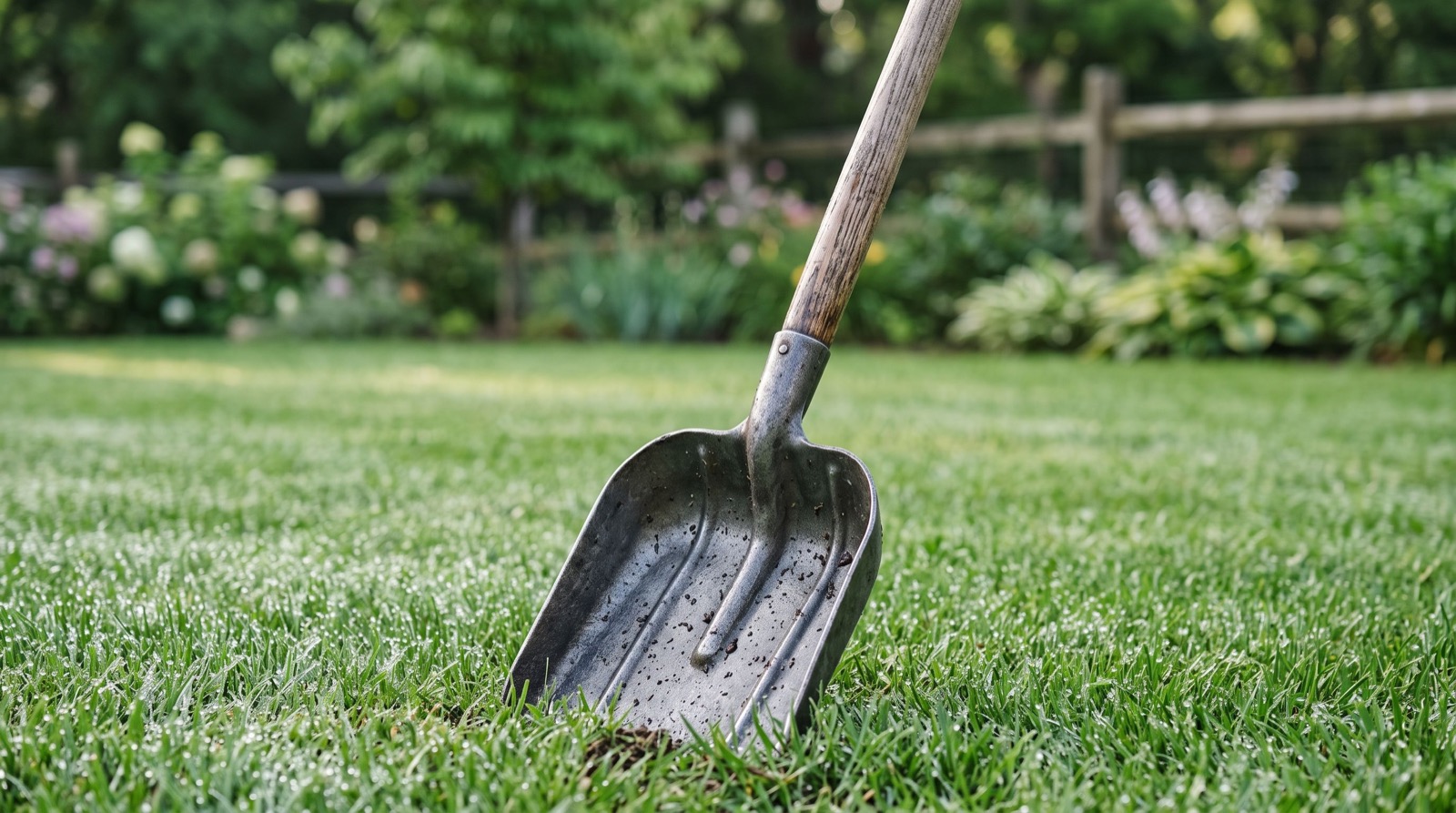
A station is only as useful as its supplies. Stock durable bags that will not tear when residents grab them one-handed, and equip your grounds crew with sturdy tools for the piles residents miss. Keeping a supply of a strong Pooper Scooper with Bag attached makes spot-cleanup fast for maintenance staff. Pair that with a stash of heavy duty tool bag liners so bins never run empty.
DIY Grounds Crew vs Professional Service
| Factor | In-House Crew | Professional Service |
|---|---|---|
| Cost predictability | Variable, adds to labor hours | Fixed monthly contract |
| Consistency | Depends on staff workload | Scheduled, guaranteed visits |
| Equipment | Must be purchased and stored | Provided by vendor |
| Liability coverage | Falls on association | Carried by insured vendor |
Writing an Enforceable Pet Policy
Policy without teeth changes nothing. Your governing documents should spell out cleanup expectations, station locations, and consequences for repeat offenders.
Keep the language simple and fair. Most residents comply once expectations are clear and stations are convenient. Reserve fines for the small minority who ignore reminders.
How Do You Handle Repeat Offenders?
Start with friendly signage and email reminders. Escalate to written notices, then modest fines outlined in your CC&Rs. Some 2026 communities use DNA registries to match unclaimed waste to specific pets, though most associations find that clear stations and consistent enforcement solve 90 percent of cases.
Partnering With the Right Cleanup Company
When in-house effort falls short, a professional vendor keeps grounds spotless without straining maintenance staff. Choose a company that is insured, references local HOAs, and offers flexible scheduling.
Vet candidates the way you would any contractor. Working with reliable local experts who understand community properties means fewer complaints and a cleaner neighborhood year-round.
Budgeting a Waste Program Into the Reserve Study
Boards plan best when waste management is a line item, not an afterthought. Folding station maintenance and cleanup into the annual budget prevents scrambling when complaints spike.
The cost is modest against the alternative. Reseeding dead turf, fielding grievances, and losing curb appeal cost far more than a predictable monthly program. Frame it to owners as property protection, and the value becomes obvious.
Sample Annual Cost Breakdown
Every community differs, but a rough framework helps boards plan. Use these categories as a starting point during budget season.
- Station hardware and installation as a one-time or replacement cost.
- Bag restocking as a recurring monthly supply expense.
- Cleanup service or crew hours as the largest ongoing item.
- Signage and enforcement materials as a small annual add.
Review the plan yearly and adjust station counts based on resident feedback and new construction. A responsive program earns goodwill and keeps grounds consistently clean.
Common Mistakes HOAs Make
Even well-intentioned boards stumble on pet-waste management. Learning from typical errors saves your community time, money, and frustration.
The biggest mistake is inconsistency. A program that launches strong then fizzles trains residents to ignore it, and rebuilding compliance is harder than starting fresh. Steady execution beats grand plans that fade.
Pitfalls to Avoid
Watch for these frequent missteps as you build and run your program.
- Letting dispensers sit empty, which erodes resident trust.
- Placing stations for appearance rather than actual dog traffic.
- Writing policy without enforceable authority in the CC&Rs.
- Skipping seasonal adjustments when usage spikes in warm months.
Avoiding these traps keeps your program credible. Residents follow the rules when they see the association consistently upholding its side of the deal.
Frequently Asked Questions
How many waste stations does an HOA need?
A common rule is one station every 200 to 300 feet along active walking routes, plus stations at entrances and near dog-friendly common areas. Adjust based on community size and resident feedback.
Who is responsible for common-area pet waste?
The association typically owns common areas, so cleanup responsibility falls to the HOA even though individual owners create the waste. That is why a formal program and clear policy matter.
Can an HOA fine residents for not cleaning up?
Yes, if the authority is written into your governing documents. Most associations start with reminders and reserve fines for repeat violations to keep relations positive.
Is a professional service cheaper than in-house cleanup?
Often, once you factor staff labor, equipment, and disposal. A fixed monthly contract also makes budgeting predictable, which boards appreciate at planning time.
Keep Your Community Clean and Compliant
Effective HOA pet-waste management blends smart station placement, durable supplies, a fair policy, and, when needed, a trusted cleanup partner. Put the system in place now and your community enjoys cleaner grounds, happier residents, and stronger property values. Reach out to a reputable service today to build your plan.