
Moving is consistently ranked among life’s most stressful events, and anyone who has done it badly knows exactly why. Between packing, coordinating dates, protecting fragile items, and handling the sheer logistics of shifting an entire household, there is a lot that can go wrong. The good news is that almost all of that stress is avoidable with proper planning and the right professional help. A well-managed move can genuinely be straightforward. This guide walks through how to plan, what to expect, and how to avoid the mistakes that turn an ordinary relocation into an expensive, exhausting ordeal.
Every move has the same basic ingredients – packing, loading, transport, unloading, and setting up – but how well those steps are handled makes an enormous difference to the outcome. Rushed packing leads to breakages. Poor planning leads to delays and extra charges. Inexperienced handling leads to scratched walls and damaged furniture. None of it is inevitable. With realistic timelines, proper materials, and a competent team, a move becomes a well-organised day rather than a crisis. This guide covers what matters most, from first planning steps through to unpacking in your new place.
Start Planning Earlier Than You Think
The single most common moving mistake is starting too late. Packing a full home takes far longer than people expect, and leaving it to the final few days guarantees rushed decisions, poor protection for fragile items, and things going into boxes with no logic at all. Ideally you want several weeks of lead time to sort belongings, arrange your moving date, book any building access you need, and get quotes without pressure. Early planning also gives you room to declutter properly, which reduces both the volume and the cost of your move. Almost every moving-day disaster traces back to a timeline that was too tight from the start.
Protecting Furniture Properly
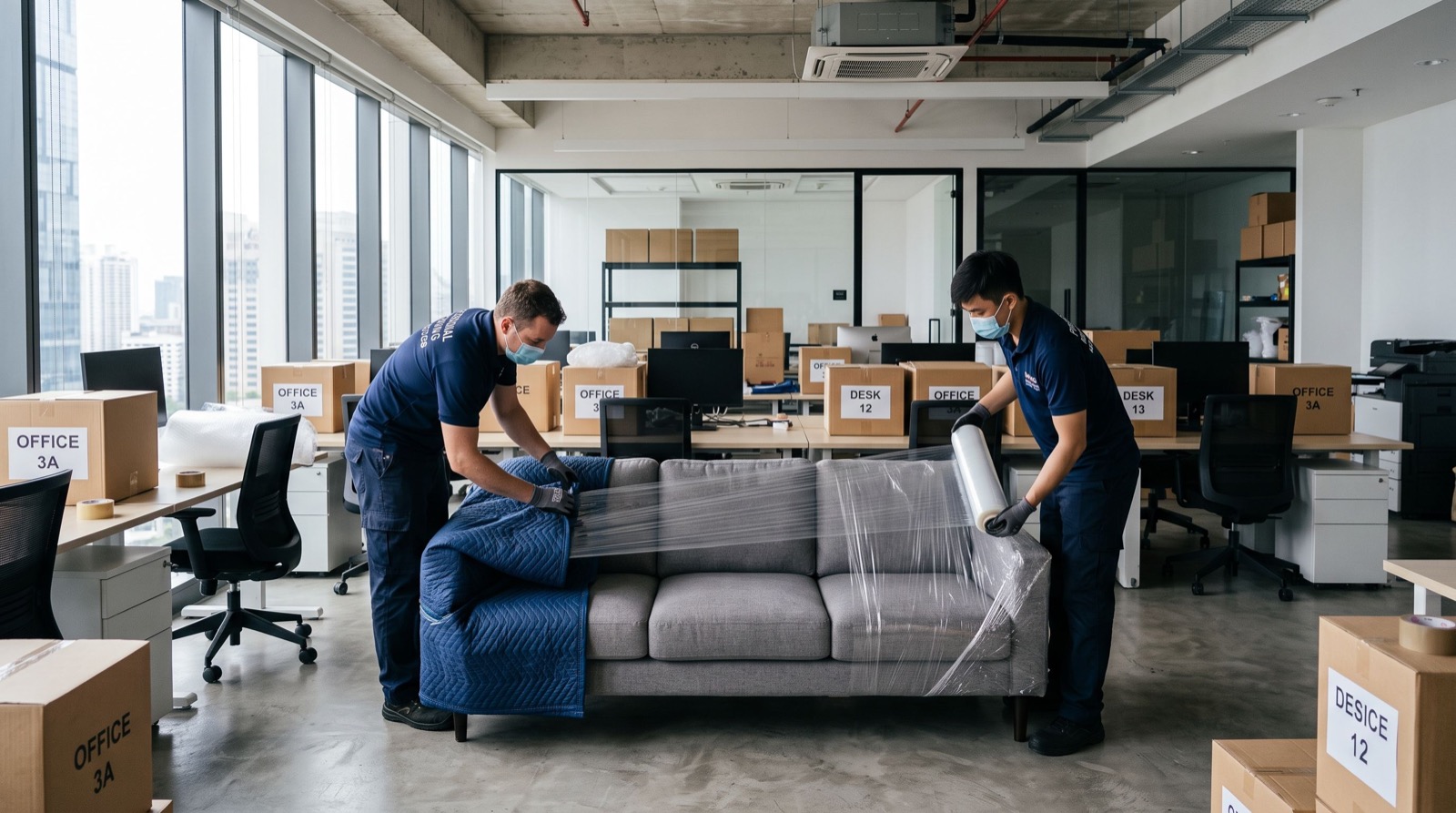
Furniture damage during moves is common and almost entirely preventable. Wooden surfaces scratch against each other in transit, upholstery picks up dirt and tears on door frames, and glass elements crack under pressure from stacked items. Proper protection means blankets and padding on every surface, dismantling items that come apart, wrapping legs and corners separately, and securing everything so nothing shifts en route. Large pieces also need the right technique through doorways and stairwells – forcing them causes damage to both furniture and walls. This is one area where professional experience shows immediately in the condition your belongings arrive in. This is where professional office movers Silicon Oasis really make the difference.
When Storage Makes Sense
Move-out and move-in dates don’t always line up neatly, and sometimes your new place isn’t ready or simply won’t fit everything immediately. Storage bridges that gap and removes an enormous amount of pressure from the timeline. It’s also useful when downsizing, renovating, or holding seasonal and rarely used items you don’t want cluttering a new home. What matters is that the facility is clean, secure, and appropriate for what you’re storing – climate considerations matter for wooden furniture, documents, and electronics. Having storage available as part of your moving plan turns a rigid, stressful schedule into a flexible one.
Why Packing Materials Actually Matter
Using the wrong materials is the leading cause of damage during a move. Thin boxes collapse when stacked, overloaded cartons split at the base, and wrapping fragile items in newspaper alone rarely prevents chips and cracks. Proper double-walled boxes, bubble wrap, protective padding, and purpose-made covers for mattresses and sofas exist because they genuinely work. Good materials also let boxes stack safely in the truck, which matters more than most people realise since shifting loads in transit cause a large share of breakages. Skimping here to save a small amount almost always costs more in replaced belongings. The right expertise matters everywhere, whether in relocation or quality service providers.
Label Everything, Room by Room
Labelling seems tedious while you’re packing and feels like genius when you’re unpacking. Marking each box with its destination room and a short summary of contents means everything lands where it belongs, and you can find essentials immediately without opening twenty boxes. It also lets the moving team place items correctly the first time, saving you from shifting heavy cartons around afterwards. Marking fragile boxes clearly ensures they’re loaded and handled appropriately. A little discipline during packing turns unpacking from a frustrating scavenger hunt into a straightforward process you can work through calmly over a few days.
Specialist Items Need Specialist Handling
Some belongings simply shouldn’t be moved with general household goods. Pianos are the classic example – extremely heavy, awkwardly balanced, and easily damaged internally by improper handling. Large mirrors, artwork, antiques, aquariums, and safes all fall into similar territory. These items need appropriate equipment, trained handling, and often custom protection or crating. Attempting them without the right approach risks both serious damage to the item and genuine injury to whoever is lifting. If you own anything in this category, flag it early when getting quotes so the right equipment and manpower are arranged in advance rather than improvised on the day. If you’re planning a move, manpower moving Dubai is a sensible place to start.
Key Takeaways
- Start Planning Earlier Than You Think: The single most common moving mistake is starting too late.
- Protecting Furniture Properly: Furniture damage during moves is common and almost entirely preventable.
- When Storage Makes Sense: Move-out and move-in dates don’t always line up neatly, and sometimes your new place isn’t ready or simply won’t fit everything immediately.
- Why Packing Materials Actually Matter: Using the wrong materials is the leading cause of damage during a move.
- Label Everything, Room by Room: Labelling seems tedious while you’re packing and feels like genius when you’re unpacking.
- Specialist Items Need Specialist Handling: Some belongings simply shouldn’t be moved with general household goods.
The Bottom Line
Moving doesn’t have to be the ordeal it’s reputed to be. Plan earlier than feels necessary, declutter before you pack, use proper materials, and work with a team that knows what they’re doing. Get those basics right and moving day becomes a well-organised routine rather than a crisis you survive.
The difference between a smooth relocation and an expensive, exhausting one is rarely luck – it’s preparation and the quality of the team handling it. Give yourself realistic time, be clear about what you need, and choose professionals who communicate honestly. Your belongings arrive intact and you start life in your new place calmly.